

Table of Contents
- How Blue Light Affects Sleep: The Melatonin Connection
- Do Blue Light Glasses Actually Help Insomnia?
- How Long to Wear Blue Light Glasses Before Bed
- Blue Light Blocking Glasses vs. Screen Filters: Which Works Better?
- The Science Behind Blue Light Lenses
- What the Research Actually Shows About Blue Light Glasses and Sleep
- Choosing the Right Blue Light Glasses for Your Sleep
- Conclusion
- Frequently Asked Questions
Last Updated: September 25, 2026
How Blue Light Affects Sleep: The Melatonin Connection
Blue light suppresses melatonin production, the hormone that signals your body it's time to sleep, which is why many people ask: do blue light glasses help insomnia? When you're exposed to blue light in the evening, particularly from screens, your circadian rhythm gets disrupted, making it harder to fall asleep and stay asleep.
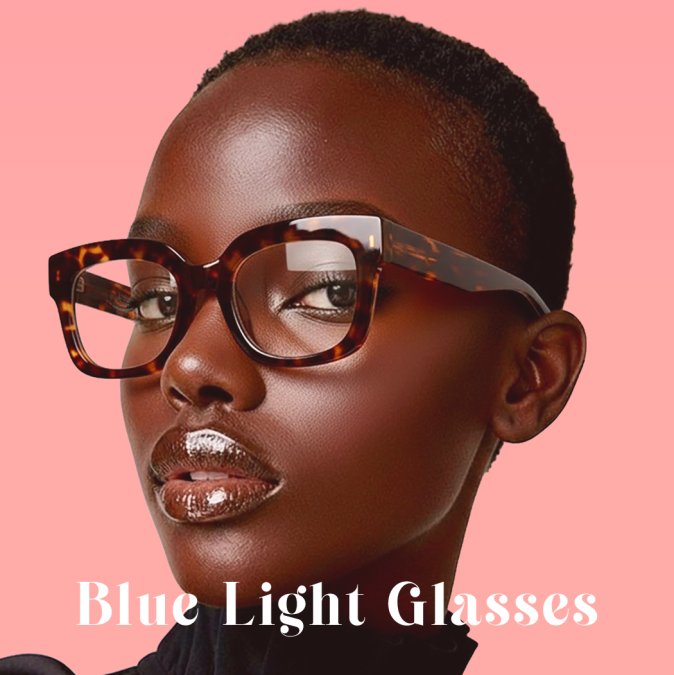
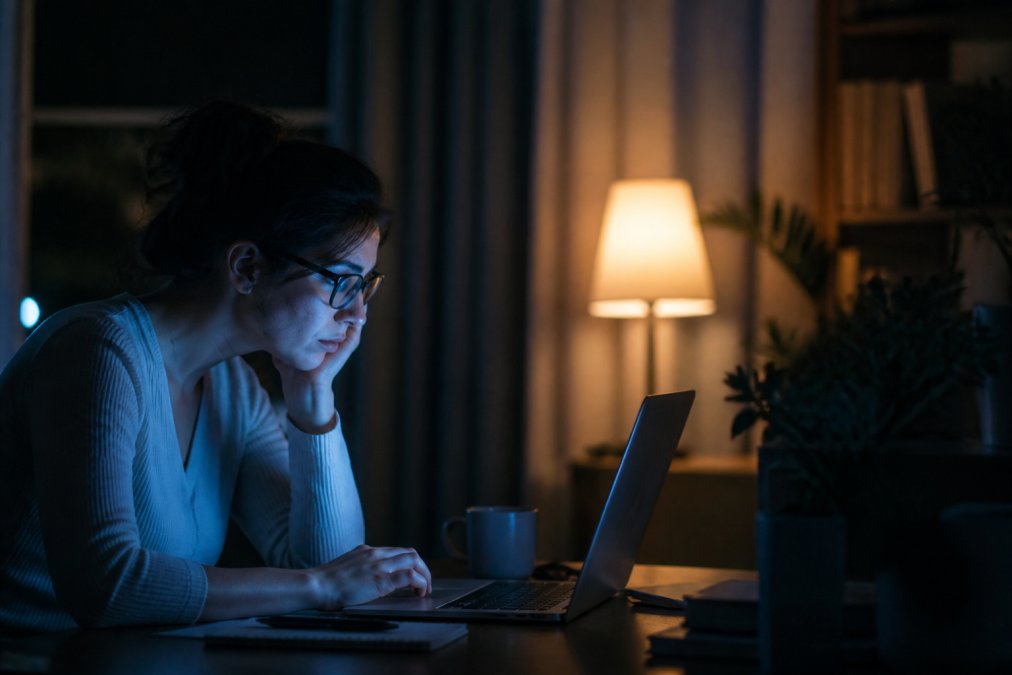
Here's how it works: your eyes contain intrinsically photosensitive retinal ganglion cells that contain melanopsin, a photoreceptor sensitive to blue wavelengths around 460-480 nanometers. When these cells detect blue light, they signal your brain to suppress melatonin production and delay your sleep-wake cycle. This is useful during the day, blue light keeps you alert and focused. But at night, that same mechanism works against you.
The problem intensifies because most digital devices emit significant amounts of high-energy visible light in the blue spectrum. Your smartphone, tablet, and computer all emit wavelengths that trigger this melatonin suppression. If you're scrolling through your phone at 10 PM, your brain receives a signal equivalent to midday sunlight. Your body thinks it's noon, not bedtime. Sleep latency increases, and sleep quality suffers.
This isn't theoretical. The dim-light melatonin onset, the time your body naturally begins producing melatonin in the evening, shifts later when you're exposed to blue light before bed. For someone with insomnia, this delay compounds the problem. You're already struggling to fall asleep; adding artificial blue light makes it worse.
Do Blue Light Glasses Actually Help Insomnia?
Blue light glasses reduce the amount of blue wavelengths reaching your eyes, which can help preserve melatonin production in the evening. Whether they meaningfully improve insomnia depends on how much of your sleep problem is actually caused by blue light exposure versus other factors like stress, irregular sleep schedules, or caffeine use.

The evidence is mixed but directional. Many users report falling asleep more easily after wearing blue light blocking glasses in the evening. Some find their sleep quality improves noticeably. Others see minimal difference. The variation suggests that blue light glasses work best for people whose insomnia is primarily driven by evening screen exposure, not for those whose sleep problems stem from anxiety, pain, or other causes.
At Keith Lambert Co., we recognize that blue light exposure is one piece of the sleep puzzle. Our blue light blocking glasses are designed with anti-reflective and anti-glare coatings that filter specific blue light frequencies, but they work best as part of a broader sleep strategy.
The limitation is important: blue light glasses don't address the other 70% of what affects your sleep. Poor sleep hygiene, irregular schedules, stress, and environmental factors like noise and temperature often matter more than blue light. If you're not addressing those, blue light glasses alone won't fix your insomnia.
How Long to Wear Blue Light Glasses Before Bed
Most practitioners recommend starting to wear blue light glasses 2-3 hours before your intended bedtime. This window aligns with when your circadian system becomes most sensitive to light. Wearing them from 7 PM onward if you sleep at 10 PM gives your eyes time to filter blue light during the critical hours when melatonin production should be ramping up.

Some users prefer wearing them even earlier, starting in the late afternoon. This approach is fine, though research suggests the impact is strongest in those final 2-3 hours before sleep. The key is consistency: wearing blue light glasses sporadically won't produce noticeable results. Your circadian rhythm responds to patterns, not isolated events.
How long to wear blue light glasses before bed also depends on your screen habits. If you're working at a computer all day, you might benefit from wearing them throughout your workday to reduce digital eye strain and protect your visual comfort. But for sleep specifically, the 2-3 hour pre-bedtime window is where the real effect happens.
Consider your personal response. Some people notice improvements within a few days; others take 1-2 weeks to see a difference. Your body's circadian system adapts gradually to changes in light exposure. Give yourself at least a week of consistent use before deciding whether blue light glasses are helping your insomnia.
Blue Light Blocking Glasses vs. Screen Filters: Which Works Better?
Blue light blocking glasses filter light at the source, your eyes, while screen filters reduce blue light emission from your device itself. Both approaches reduce blue light exposure, but they have different trade-offs.
Black Round Blue Light Glasses →
Screen filters (software or physical filters applied to your device) reduce the amount of blue light your screen emits. They're convenient because you don't have to wear anything, and they work across all your devices if you use software-based filters. The downside: they can reduce screen brightness and color accuracy, making text harder to read or images look washed out. For work requiring precise color judgment, they're problematic.
Blue light blocking glasses work by filtering blue wavelengths after they leave your screen but before they reach your eyes. You get the full brightness and color accuracy of your screen while still reducing blue light exposure. The trade-off is that you have to wear them, they're not invisible like a software filter.
For insomnia specifically, blue light glasses are the better choice. They're portable, don't degrade your screen quality, and you can remove them once you step away from screens. If you're trying to protect your sleep-wake cycle, wearing glasses during your evening routine (dinner, work, leisure screen time) is more practical than adjusting your screen settings.
That said, combining both approaches works better than either alone. Use a screen filter during the day to reduce digital eye strain while you're working, then switch to blue light glasses in the evening when protecting your circadian rhythm becomes the priority.
The Science Behind Blue Light Lenses
Blue light blocking lenses use one of two mechanisms: absorption or reflection. Most quality lenses use a combination of both to filter blue light effectively.
Absorption-based lenses contain a coating or material that absorbs blue light wavelengths (typically 380-500 nanometers) before they pass through to your eyes. Reflection-based lenses bounce blue light away from your eyes using a thin reflective coating on the lens surface. Anti-reflective coatings serve double duty: they reduce glare from screens and ambient light while also filtering some blue wavelengths.
The optical quality matters. Better lenses maintain color accuracy while filtering blue light effectively.
What the Research Actually Shows About Blue Light Glasses and Sleep
The scientific evidence on blue light glasses and insomnia is more nuanced than marketing claims suggest. Some studies show measurable improvements in sleep latency and sleep quality when people wear blue light glasses in the evening. Other research finds minimal differences compared to placebo effects.
Choosing the Right Blue Light Glasses for Your Sleep
Start with optical quality. Your glasses should have anti-reflective and anti-glare coatings that are specifically designed to filter blue light. Cheap glasses with minimal coating provide little benefit and often introduce visual artifacts.
Factor |
Consideration |
Impact on Sleep |
|---|---|---|
Optical quality |
Anti-reflective, anti-glare coatings |
Higher filtering effectiveness |
Comfort and fit |
Frame style, weight, nose bridge pressure |
Consistency of use |
Photochromic lenses |
Auto-darkening in sunlight |
Convenience for outdoor exposure |
Prescription compatibility |
Vision correction built-in |
Consistent blue light protection |
Lens tint intensity |
Amber vs. orange vs. clear |
Stronger filtering vs. color accuracy |
Conclusion
Do blue light glasses help insomnia? They can reduce one specific contributor to sleep problems, evening blue light exposure, but they're not a cure. Blue light does suppress melatonin and disrupt your circadian rhythm, and blue light glasses filter those wavelengths effectively. Whether that translates to better sleep depends on how much of your insomnia is actually caused by blue light versus other factors like stress, irregular schedules, or your sleep environment.
Frequently Asked Questions
How long should I wear blue light glasses before bed to help insomnia?
Start wearing blue light glasses 1-2 hours before sleep to block melatonin suppression during your evening routine. The timing matters because your circadian rhythm becomes sensitive to light exposure in the hours leading up to bedtime. Wearing them while using screens after sunset helps preserve your natural melatonin production. Consistency matters more than a specific duration—make them part of your nightly wind-down ritual.
Can blue light glasses alone cure insomnia, or do I need other sleep aids?
Blue light glasses address one factor in sleep quality—light exposure—but insomnia typically involves multiple causes. They work best as part of a comprehensive sleep hygiene approach that includes consistent bedtimes, reducing overall light exposure, and limiting screen time before bed. For persistent insomnia, combining blue light glasses with other strategies like blackout masks or noise reduction can be beneficial.
Are amber or orange-tinted blue light glasses more effective than clear lenses?
Amber and orange tints block more blue light wavelengths than clear lenses, making them more effective for melatonin suppression. However, they alter color perception and aren't suitable for all-day wear. Clear lenses with blue light filtering technology offer a practical compromise for daytime screen use. For maximum sleep support, amber-tinted glasses work better in the 2 hours before bed when melatonin production is critical.
How do blue light glasses compare to screen filters or reducing screen brightness?
Blue light glasses block light at the source (your eyes), while screen filters reduce blue light emission from the device itself. Glasses offer more consistent protection across all devices and activities, whereas filters only work on that specific screen. Reducing brightness helps but doesn't eliminate blue light exposure. For insomnia specifically, glasses provide more reliable melatonin protection during evening hours when you're using multiple devices.